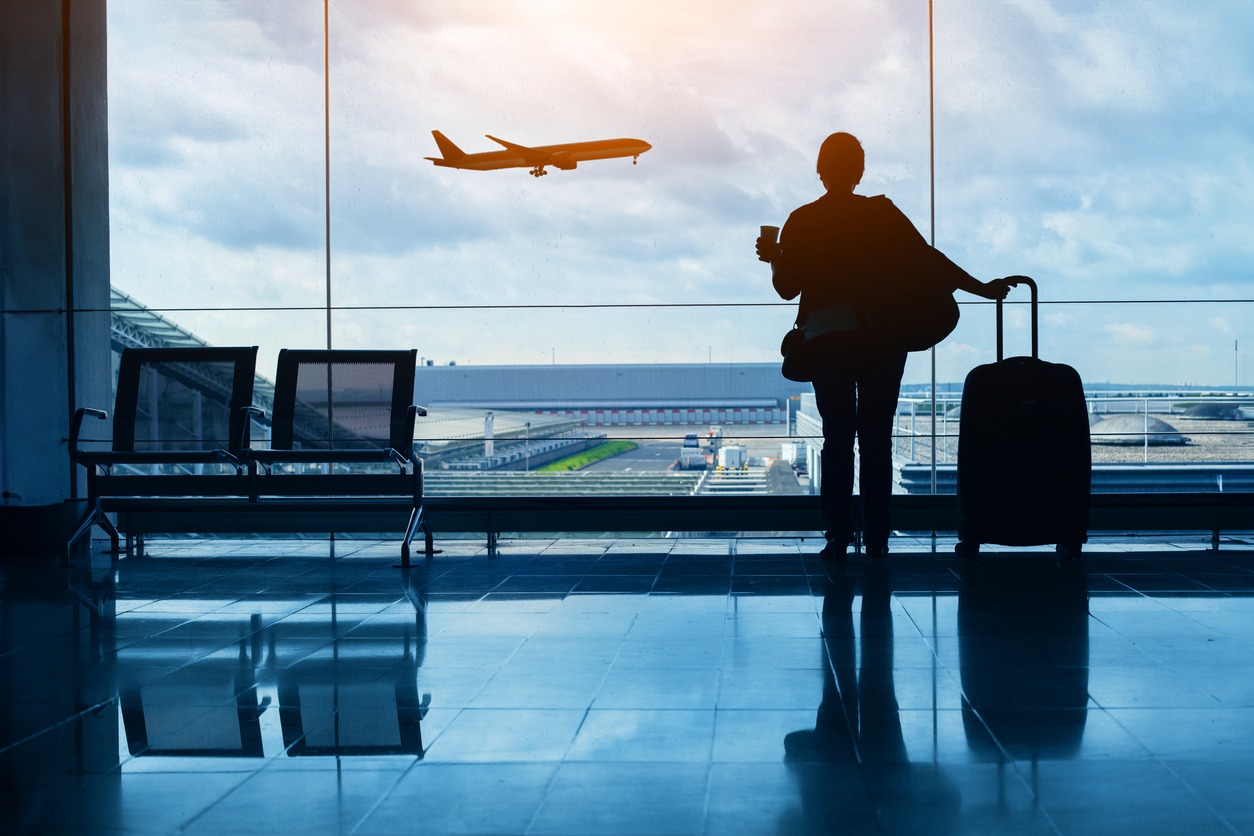
Airline delays and cancellations are an inevitable part of travel. Whether due to weather, mechanical issues, or other unforeseen circumstances, they can disrupt your plans and cause significant stress. However, with the right strategies and a proactive approach, you can minimize the impact and navigate these disruptions more smoothly. Here are 20 comprehensive tips to help you deal with airline delays and cancellations effectively.
1. Stay Informed Before You Fly
– Check Flight Status Regularly: Use airline apps or websites to monitor your flight status. This can give you early warning of potential delays or cancellations.
– Weather Forecasts: Keep an eye on weather conditions at both your departure and arrival airports. Severe weather often leads to delays and cancellations.
2. Book Early Morning Flights
– Reduced Risk of Delays: Early morning flights are less likely to be delayed as they are not affected by the ripple effect of delays from earlier in the day.
– Rebooking Opportunities: If your flight is delayed or canceled, there are more opportunities to be rebooked on a later flight the same day.
3. Use Airline Apps
– Real-Time Updates: Airline apps provide real-time updates on flight status, gate changes, and more.
– Easy Rebooking: Many apps allow you to rebook flights directly, saving you time and hassle.
4. Sign Up for Alerts
– Email and SMS Notifications: Sign up for flight status alerts via email or SMS to get immediate updates on any changes to your flight schedule.
5. Pack Essentials in Your Carry-On
– Important Documents: Keep your passport, ID, and boarding passes in your carry-on.
– Medication and Toiletries: Pack any essential medications and basic toiletries in case of long delays or an unexpected overnight stay.
6. Know Your Rights
– EU Regulation 261/2004: If flying within or from the EU, you may be entitled to compensation for long delays or cancellations.
– US DOT Regulations: In the US, understand your rights regarding refunds and compensation for delays and cancellations.
7. Purchase Travel Insurance
– Coverage for Delays and Cancellations: Travel insurance can provide reimbursement for additional expenses incurred due to delays and cancellations.
– Medical Coverage: Some policies also offer medical coverage, which can be crucial if you fall ill during your trip.
8. Be Proactive at the Airport
– Check-In Early: Arrive at the airport early to check in and pass through security, giving you more time to deal with potential issues.
– Monitor Departure Boards: Keep an eye on departure boards for real-time updates and gate changes.
9. Contact the Airline Immediately
– Phone and Social Media: If your flight is delayed or canceled, contact the airline immediately via phone or social media for assistance.
– Be Polite and Persistent: Politeness can go a long way in getting help, but be persistent in seeking solutions.
10. Know Alternate Routes
– Alternative Flights: Research alternative flights to your destination so you can suggest rebooking options to airline staff.
– Other Airports: Consider nearby airports as alternatives if flights from your primary airport are severely disrupted.
11. Lounge Access
– Credit Card Perks: Some credit cards offer free lounge access, providing a comfortable place to wait during delays.
– Purchase Access: Consider purchasing lounge access for amenities like Wi-Fi, food, and comfortable seating.
12. Stay Calm and Patient
– Manage Stress: Delays and cancellations can be stressful, but staying calm and patient helps you think clearly and make better decisions.
– Mindfulness Techniques: Practice mindfulness or deep breathing exercises to stay calm in stressful situations.
13. Utilize Airline Alliances
– Partner Airlines: If your airline is part of an alliance, you may have more rebooking options with partner airlines.
– Shared Lounges: Alliance memberships can also grant you access to shared lounges during delays.
14. Keep Receipts for Expenses
– Document Expenses: If you incur additional expenses due to delays or cancellations, keep all receipts for potential reimbursement from the airline or travel insurance.
15. Leverage Social Media
– Quick Response: Airlines often respond quickly to social media queries and complaints, which can expedite assistance.
– Public Visibility: Public complaints on social media can sometimes prompt faster resolutions.
16. Have a Backup Plan
– Alternative Transportation: Consider alternative transportation options like trains, buses, or rental cars if flights are severely disrupted.
– Flexible Itinerary: Build flexibility into your travel itinerary to accommodate potential changes.
17. Travel with Power Banks
– Stay Connected: Keep your electronic devices charged to stay connected and informed during delays.
– Portable Chargers: Carry a portable charger or power bank for convenience.
18. Check Credit Card Benefits
– Travel Protection: Some credit cards offer travel protection benefits, including coverage for delays, cancellations, and lost luggage.
– Concierge Services: Utilize concierge services offered by some credit cards to help with rebooking and other travel arrangements.
19. Be Prepared for an Overnight Stay
– Overnight Essentials: Pack a change of clothes and basic toiletries in your carry-on in case you need to stay overnight unexpectedly.
– Hotel Arrangements: Know your airline’s policy on providing accommodation for overnight delays and how to book a hotel if needed.
20. Stay Healthy and Hydrated
– Stay Hydrated: Drink plenty of water to stay hydrated, especially during long waits.
– Healthy Snacks: Pack healthy snacks to keep your energy levels up during delays.
Dealing with airline delays and cancellations can be challenging, but being well-prepared and informed can make a significant difference. By following these 20 tips, you can minimize stress, stay comfortable, and increase your chances of reaching your destination as smoothly as possible. Remember to stay calm, be proactive, and leverage all available resources to navigate any disruptions in your travel plans. Safe travels!