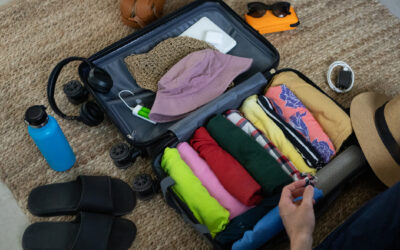
Creating a travel checklist is a strategic way to ensure you have everything you need for your trip while avoiding overpacking. Another way to avoid overpacking is to review what you packed for your last trip. If you didn’t use an item, question it for your current trip and toss it aside if it went unused. Being aggressive during packing can help save weight and space. Here’s a guide to crafting an effective travel checklist with key elements to consider:
1. Travel Documents and Essentials
- Passport/ID: Ensure your passport or ID is up-to-date and in a secure place. Take a picture of it with your smart phone, just in case.
- Visas: Include any needed visas for your destination. Research you destinations to verify visa requirements. Sometimes visas can be gotten at your destination airport.
- Travel Insurance: Have details of your travel insurance, including policy numbers and contact information. If you’re a heavy traveller, consider getting year round coverage, which may save you money. Look at the coverages and ensure they make sense for your type of travel.
- Flight Tickets and Itineraries: Keep hard and digital copies. Downloading airline apps and setting up an account provides a good place to easily access your reservations. Take screenshots of your tickets as a backup source. Add them to your digital wallet for easy access later.
- Accommodation Details: Pack confirmation emails and contact details of where you’ll be staying. Likewise to airline apps, downloading hotel apps and setting up an account provides a good place to easily access your reservations.
- Transportation Reservations: Car rentals, train tickets, etc.
2. Finances
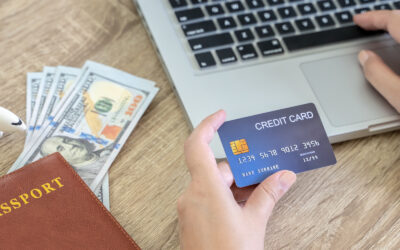
- Credit/Debit Cards: Notify your bank about your travel plans.
- Cash: Local currency for your destination.
- Emergency Funds: Reserve a set amount for unexpected expenses.
- Purchases abroad: When paying abroad using your credit card, always pay in the local currency. The bank to bank exchange rate is always better than the retailer will give you.
3. Clothing and Accessories
- Weather-Appropriate Attire: Based on your destination’s climate.
- Comfortable Footwear: At least one versatile pair.
- Sleepwear and Underwear: Pack accordingly for the length of your trip.
- Outerwear and Accessories: Jackets, hats, scarves as needed.
4. Personal Care Items
- Toiletries: Toothbrush, toothpaste, deodorant, razor.
- Hair Care Products: Shampoo, conditioner, comb/brush. Travel-sized to save space.
- Skincare and Makeup: Travel-sized to save space.
- Medication: Regular prescriptions and a small first aid kit.
5. Electronics and Gadgets
- Phone and Charger: Include international adapters if necessary.
- Camera and Accessories: Batteries, chargers, and memory cards.
- Laptop/Tablet and Charger: If you need them.
- Portable Charger: For long days out.
6. Miscellaneous Items
- Reading Material: Books, e-readers, or magazines for leisure.
- Snacks: Non-perishable items for the journey.
- Water Bottle: Reusable to stay hydrated.
7. Health and Safety
- Face Masks and Hand Sanitizer: Especially important post-2020. You may or may not need them, but they’ll be handy if needed.
- Vaccination Card: If required for travel.
8. Packing and Organization Tools
- Suitcase and Backpack: Reliable and suitable for your travel duration. Consider packing in carry-on only, if you’re able. Most places have stores, pharmacies and laundry, so don’t overpack for longer journeys. Buying things when you get there can cost a lot less than overweight baggage fees.
- Packing Cubes: For organizing clothes and accessories.
- Laundry Bag: To separate clean from dirty clothes.
9. Activity or Event-Specific Gear
- Sports Equipment: Swim gear, hiking boots, or skiing attire as required.
- Formal Wear: If you have any special events.
10. Backup Copies
- Digital Copies: Scan important documents and store them on your devices or cloud.
- Contact Information: Destination embassy, local contacts, accommodation, etc.
Final Tips:
When complete, review your travel checklist a few days before departure to ensure you haven’t missed anything. Adapt this checklist to accommodate your travel destination, duration, and specific needs, ensuring a smooth and enjoyable trip. Use the checklist as a post-travel analysis of what was needed and not on the list, or what was packed that never got used.